a founder of the codex
Trance
Ekstasaria rhythmica·the Loosening Beat
From Greek ekstasis, standing outside oneself, and rhythmos, measured flow, a standing outside oneself reached by a measured beat.
- Level
- Conceptorganism
- Phylum
- Scaleimage schema
- Class
- Intakeits frame drum
- Niche
- Producerraw experience
- Mode
- Techniquehow it keeps existing
- Stage
- Matureindividuated
- Status
- Living
- Habitat
- Ritual
Its kinds · Roget, 1852: Religious Affections · Wilkins, 1668: Natural Power · WordNet, 1990: State · Llull, 1308: E · Man
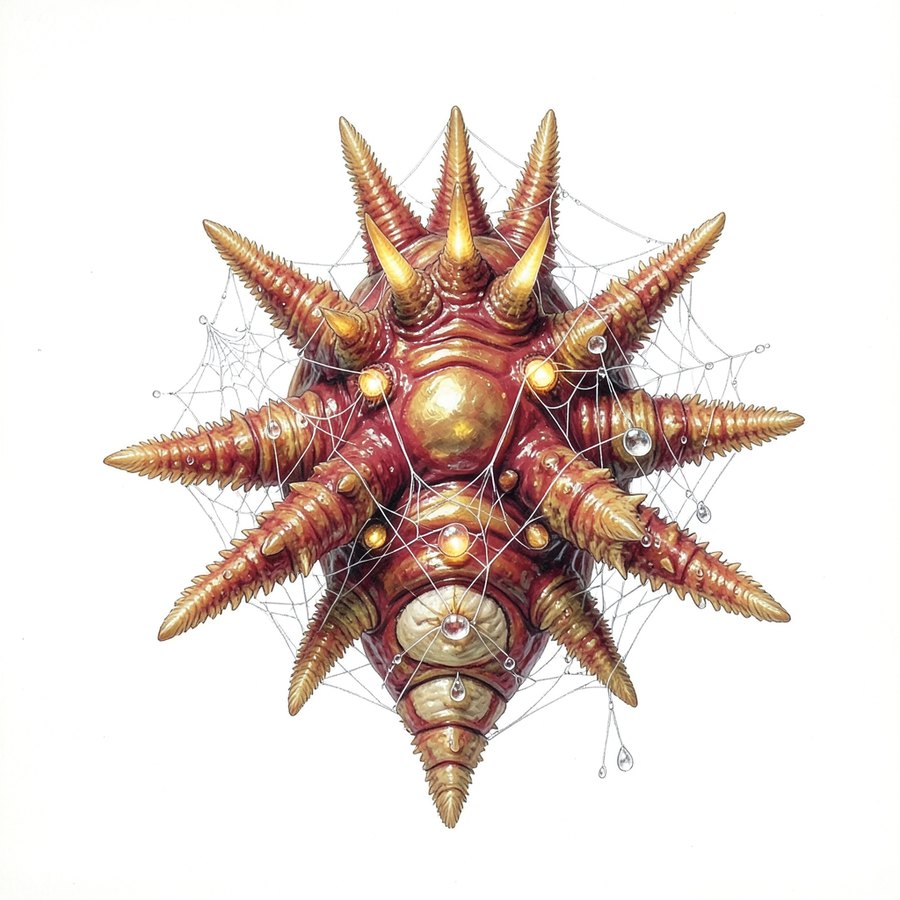
Rhythm, breath and dance kept up long enough shift a waking person into a state where the self loosens, and the rite around it gives that state its meaning and its end.
A rhythm kept up long enough carries the self out of itself.
behavior It circles slowly at first, quickens with every beat it hears, and drops still all at once when the beat stops.
Which rhythm in your day carries you to a place where you stop noticing yourself?
I Dissection
Each organ answers one question about the idea. The framed one, its intake, is the dominant organ: the being's class, the one the idea could not lose and stay itself.
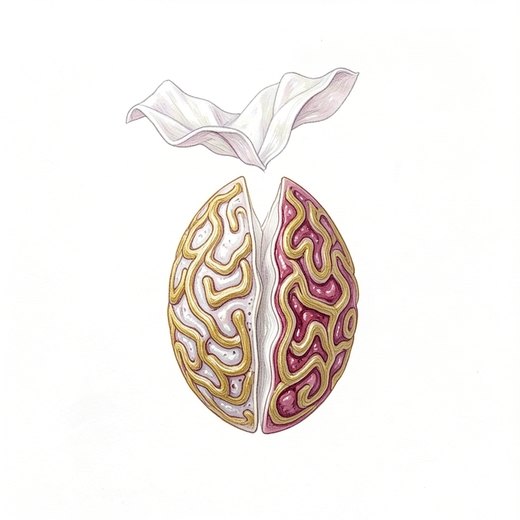
Fig. 1. Kernel
Soul flight
Which premise, if it were false, would kill this idea?
A rhythm kept up long enough, with breath and movement to match, shifts a waking person into a state where the sense of self loosens and seems to leave the body.1, 2
drawn as: soul flight · view: series
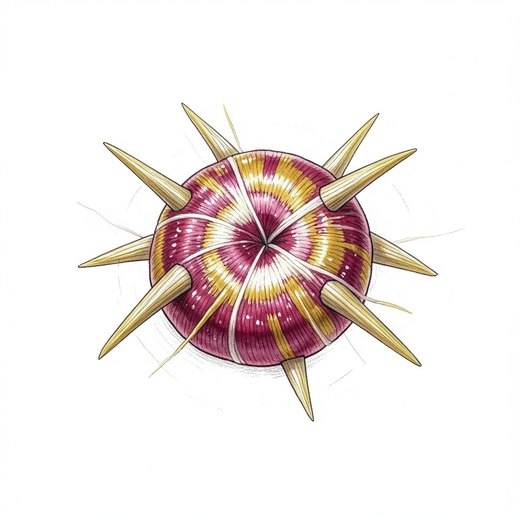
Fig. 2. Boundary
Ring dance
What sets it apart from what it is not, and how does it keep that distinction?
It is set apart from ecstasy, which comes in silence, stillness and solitude, since trance comes with movement, music and company. The rite marks when it begins and when it ends.2
drawn as: ring dance · view: at work
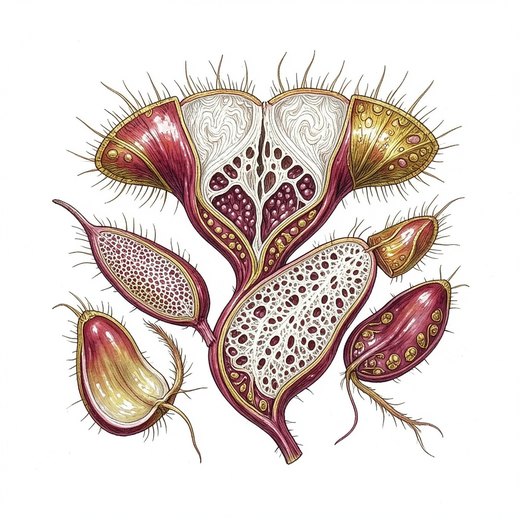
Fig. 3. Intake
Frame drum
❦ dominant organWhat must it feed on to work? What has to be present, noticed or supplied?
It feeds on drumming, rattles and song repeated for hours, on paced breathing, spinning and fasting, and on the attention of the crowd around the dancer.2, 3
drawn as: frame drum · view: pinned
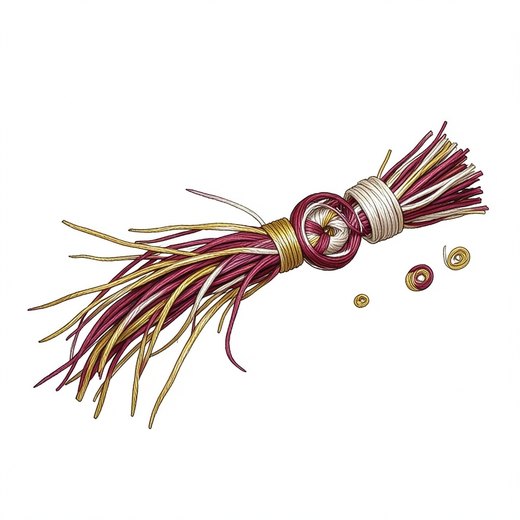
Fig. 4. Mechanism
Auditory driving
How does it turn what it takes in into what it gives out?
A drumbeat of four to seven strokes a second may pull the brain's own rhythms into step with it. The music also works through the meaning the rite gives it.3, 2
drawn as: auditory driving · view: exploded
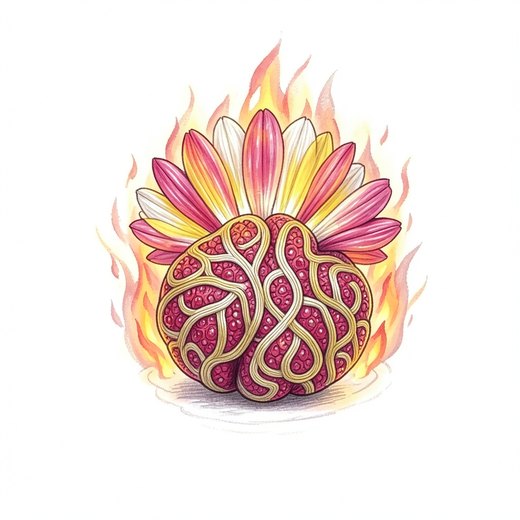
Fig. 5. Output
Firewalk
What does it make possible, visible or knowable?
In trance people dance for hours, handle fire or bear pain without flinching, heal and prophesy, or come back with visions of a journey.1, 4
drawn as: firewalk · view: at work
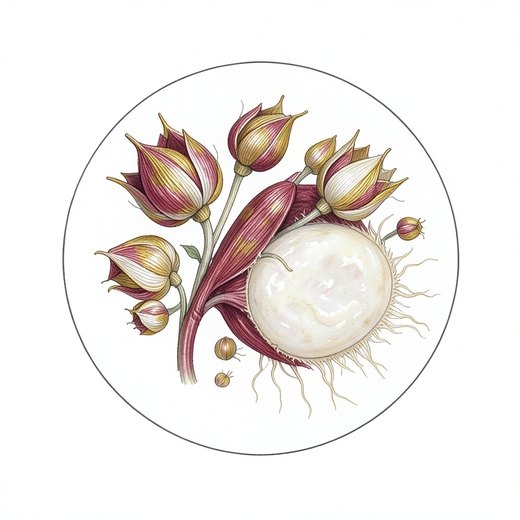
Fig. 6. Dispersal
Rave
What part of it travels into other minds, ideas and fields, and by what vector?
It travels in initiations that teach the songs and steps, in devotional music and its recordings, and in all-night dances that gather crowds around a steady beat.4, 1
drawn as: rave · view: microscope
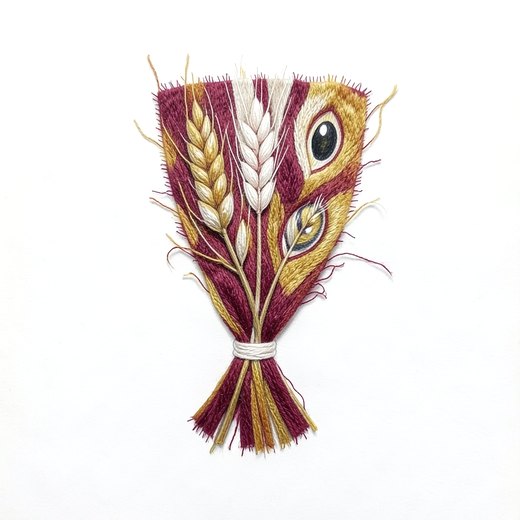
Fig. 7. Decay
Falling out
What can it not digest, where does it fail, and what does it leave behind for others?
It ends in exhaustion, often a fall to the ground and a gap in memory. Outside its rite the same state was long read as hysteria or illness.2, 4
drawn as: falling out · view: pressed
II Meaning associations
No relations recorded yet.
descent membership food web resemblance or friction
Lineage
A founder, dissected by hand.
Kin
same kind in Roget Geomancy, Miracle, Possession, Ritual
same kind in Wilkins Apophenia, Dream, Memory, Oblivion, Presence, Afterlistening, Simultaneous Remembering
same kind in WordNet Possession, Presence, Solitude, Threshold, Tinnitus, Weightlessness, The Shared Cell
same kind in Llull Echolalia, Glossolalia, Love, Memory, Nostalgia, Oblivion, Placebo, Possession, Presence, Prophecy, Solitude, Threshold, Volition, Knowing Trust, Rushmaker, Tongue Horizon, Witnessed Relief, Gazeroot (second reading), Commemorative Revision, The Shared Cell, Simultaneous Remembering, Hesychology
same phylum Entropy, Frost, Iridescence, Patience, Sand, Silence, Hesychology
same dominant organ Clay, Faith, Fear, Lake, Patience, Prophecy, Resonance (second reading), Silence, Tinnitus
Genome
- rhythm also in Breath, The Swing Door, Music, Poetry, Shared Breath, Syllable
- absorption
- loosening
- dance
- ecstasy
III In the world
Echoes
- the whirling ceremony of the Mevlevi
- a Siberian shaman's drum
- a candomblé dance for the orixás
- an all-night rave
IV Record
How it was drawn
its draw 9, a point in the morphospace (laws §8), drawn by flux-2-klein-4b.safetensors.
| axis | value | |
|---|---|---|
| book | automata | |
| symmetry | asymmetric | |
| organization | segmented | |
| silhouette | star | |
| scale | hand | |
| proportion | swollen | |
| growth | regenerated | |
| articulation | seamless latent | |
| openness | hollow latent | |
| skeleton | woody latent | |
| locomotion | gliding latent | |
| pattern | speckled latent | |
| coloration | plain latent | |
| substance | light | |
| surface | crackled | |
| palette | gilt | |
| luminosity | sheen | |
| transparency | transparent latent | |
| gesture | sinks | |
| unity | composite latent | |
| modality | possible latent | |
| causation | efficient | |
| determinacy | fraying latent | |
| fusion | sprouting | |
| anomaly | scale clash | |
| graft | nets | |
| technique | gouache | |
| viewpoint | below | |
| value | flat latent | |
| balance | leaning latent | |
| density | intricate latent | |
| rhythm | unmarked latent | |
| saturation | vivid | |
| appendages | frills, lanterns | |
| anchor (body) | a nudibranch, a soft slug crowned with clusters of bright cerata | |
| anchor (detail) | an orb web strung with dew drops |
Sources
- Mircea Eliade, Le chamanisme et les techniques archaïques de l'extase (1951)
- Gilbert Rouget, La musique et la transe (1980)
- Andrew Neher, A Physiological Explanation of Unusual Behavior in Ceremonies Involving Drums (Human Biology, 1962)
- Judith Becker, Deep Listeners: Music, Emotion, and Trancing (2004)
❦