a founder of the codex
Lullaby
Cunabularia sopiens·the Rocking Hush
From Latin cunabula, a cradle, and sopiens, lulling to sleep, a cradle that sings its sleeper down.
- Level
- Conceptorganism
- Phylum
- Cycleimage schema
- Class
- Mechanismits sleep spindles
- Niche
- Symbionta partner
- Mode
- Attachmenthow it keeps existing
- Stage
- Matureindividuated
- Status
- Living
- Habitat
- Dream
Its kinds · Roget, 1852: Sympathetic Affections · Wilkins, 1668: Operation · WordNet, 1990: Communication · Llull, 1308: K · Instrumentative
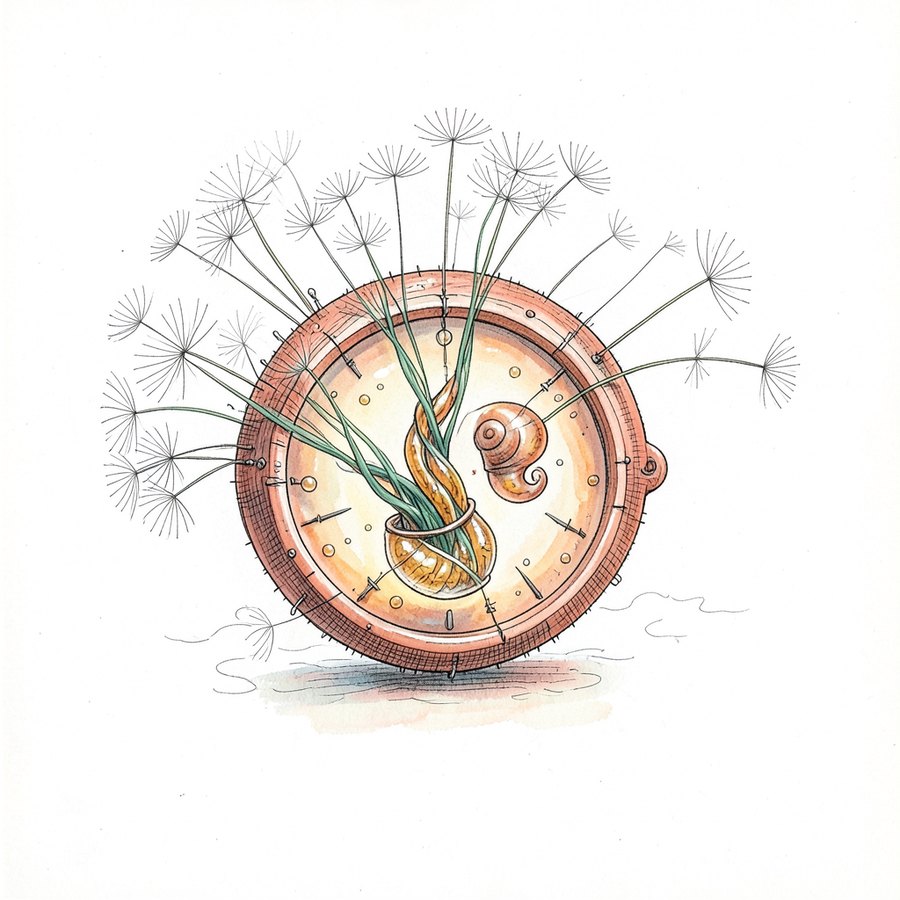
A lullaby is a slow song sung close with a sway, and in cultures across the world it calms a child into sleep while binding it to the voice that sings.
A voice and a sway shared between two bodies carry the smaller one into sleep.
behavior It sways in a slow steady rhythm, curls around whatever small body it holds, and falls silent once that body sleeps.
Whose voice still rocks you on the nights when sleep is slow to come?
I Dissection
Each organ answers one question about the idea. The framed one, its mechanism, is the dominant organ: the being's class, the one the idea could not lose and stay itself.
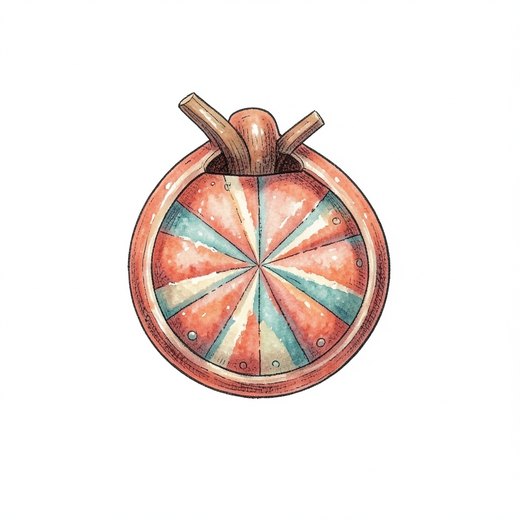
Fig. 1. Kernel
Cradle
Which premise, if it were false, would kill this idea?
A slow, soft song sung close to a held child, with a sway in time to it, calms the child and carries it toward sleep.2, 3
drawn as: cradle · view: cast
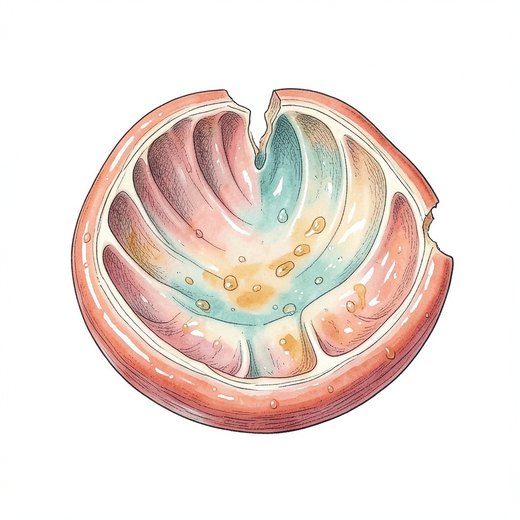
Fig. 2. Boundary
Dance song
What sets it apart from what it is not, and how does it keep that distinction?
It is set apart from other songs by its form. Listeners from many cultures can tell it from a dance song by its slow tempo, soft voice and smooth, repeated melody.2
drawn as: dance song · view: cross section
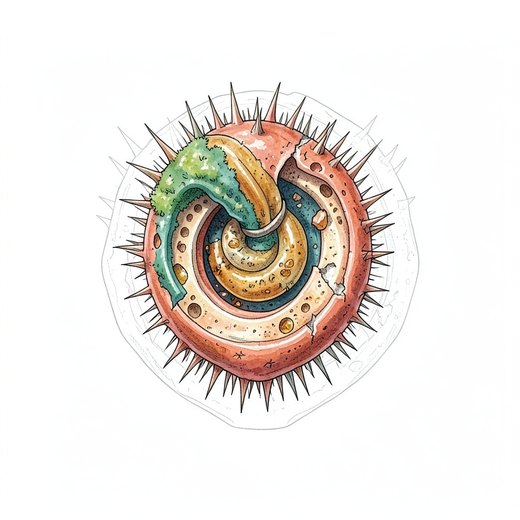
Fig. 3. Intake
Transport response
What must it feed on to work? What has to be present, noticed or supplied?
It needs a small body held and carried. A carried infant quiets and its heart slows within seconds, a calming seen in young mice as well.4
drawn as: transport response · view: in situ
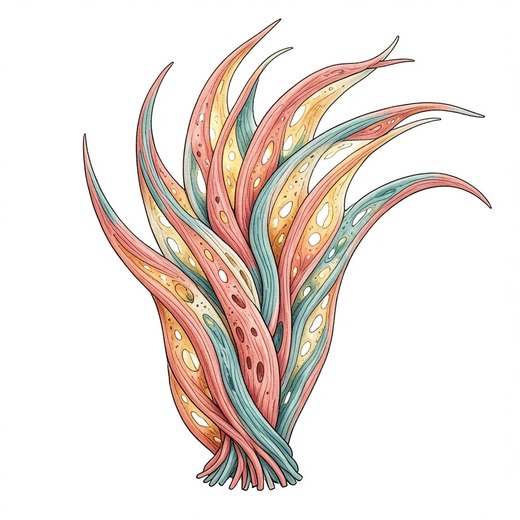
Fig. 4. Mechanism
Sleep spindles
❦ dominant organHow does it turn what it takes in into what it gives out?
Rocking in time with the song hastens sleep and deepens it, strengthening the slow waves and spindles of the sleeping brain.3
drawn as: sleep spindles · view: magnified
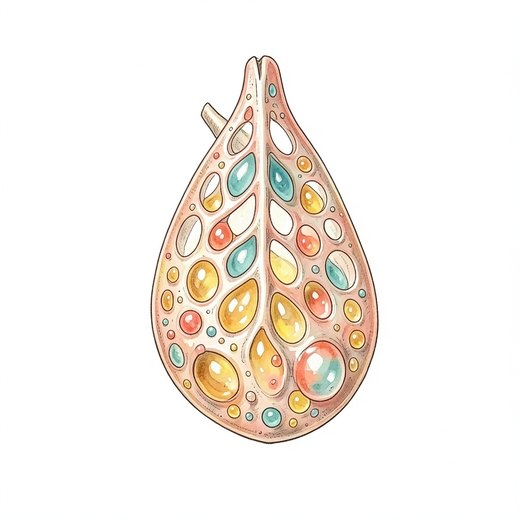
Fig. 5. Output
Golden slumbers
What does it make possible, visible or knowable?
It brings sleep, and with it a bond. The song keeps the child in touch with a voice it knows, and the child learns that voice and its tune before any word.2
drawn as: golden slumbers · view: pressed
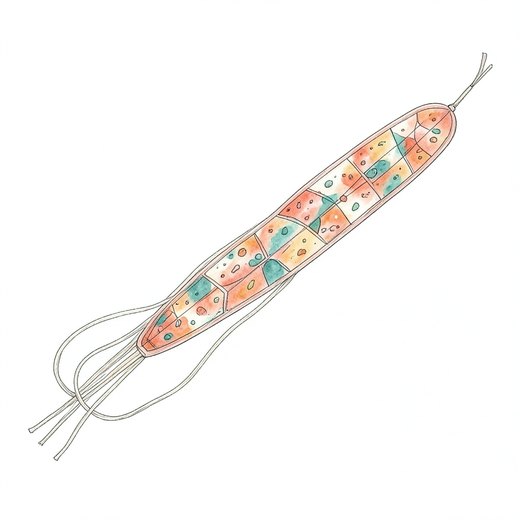
Fig. 6. Dispersal
Nursery rhyme
What part of it travels into other minds, ideas and fields, and by what vector?
It travels from mouth to mouth through generations, each carer singing tunes half-remembered from childhood, and it is found in cultures across the world.5, 2
drawn as: nursery rhyme · view: series
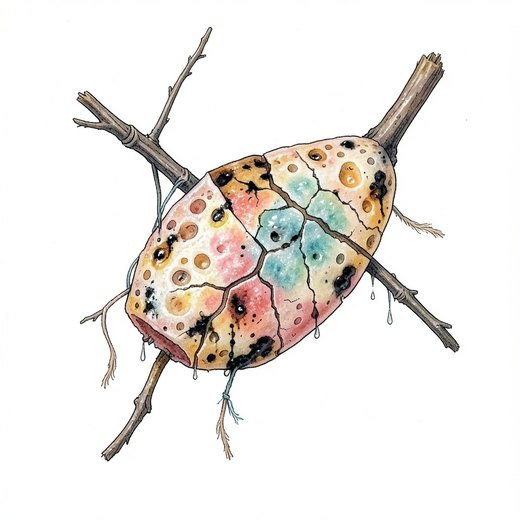
Fig. 7. Decay
Bogeyman
What can it not digest, where does it fail, and what does it leave behind for others?
It carries the singer's own griefs. Lorca found Spanish lullabies full of sorrow and threat, and many call up a bogeyman or a fall, the cradle tumbling from the bough.1, 5
drawn as: bogeyman · view: detached
II Meaning associations
No relations recorded yet.
descent membership food web resemblance or friction
Lineage
A founder, dissected by hand.
Kin
same kind in Roget Love, Solitude, Witnessed Relief, Gazeroot (second reading), The Shared Cell
same kind in Wilkins Mimesis, Pointillism
same kind in WordNet Chiaroscuro, Echolalia, Glossolalia, Music, Prophecy, Syllable, Symbol, Babelhum, Poetry
same kind in Llull Chiaroscuro, Faith, Geomancy, Innocence, Music, Patience, Pointillism, Ritual, Syllable, Symbol, Foresilence, Tide of Days, Subtractive Phenomenology
same phylum Ash, Breath, Echolalia, Metamorphosis, Resonance, Commemorative Revision, The Swing Door, Tide of Days, Simultaneous Remembering, Poetry
same dominant organ Chimera, Dream, Fire, Love, Metamorphosis, Music, Presence, Resonance, Ritual, Storm, Symbol, Winter, Rushmaker, Shared Breath, Self-Ending Order, Gazeroot (second reading), Commemorative Revision, The Swing Door, Foresilence, Simultaneous Remembering, Poetry, Subtractive Phenomenology
Genome
III In the world
Echoes
- Rock-a-bye Baby
- Brahms's Wiegenlied
- a parent humming in a dark room
- a grandmother's song remembered for a lifetime
IV Record
How it was drawn
its draw 5, a point in the morphospace (laws §8), drawn by flux-2-klein-4b.safetensors.
| axis | value | |
|---|---|---|
| book | artes | |
| symmetry | helical | |
| organization | solitary | |
| silhouette | cage | |
| scale | immense | |
| proportion | elongated latent | |
| growth | grafted | |
| articulation | telescoping latent | |
| openness | hollow | |
| skeleton | endoskeleton latent | |
| locomotion | undulating | |
| pattern | stripes latent | |
| coloration | disruptive latent | |
| substance | amber | |
| surface | beaded | |
| palette | coral | |
| luminosity | inner glow | |
| transparency | transparent latent | |
| gesture | emits | |
| unity | fragment latent | |
| modality | unmarked latent | |
| causation | final latent | |
| determinacy | fraying latent | |
| fusion | nested | |
| anomaly | echoes | |
| graft | stitches | |
| technique | stipple | |
| viewpoint | three quarter | |
| value | low key latent | |
| balance | grounded | |
| density | unmarked latent | |
| rhythm | unmarked latent | |
| saturation | muted latent | |
| appendages | bladders | |
| anchor (body) | a dandelion clock, a sphere of parachuted seeds ready to drift | |
| anchor (detail) | a cochlea, a coiled tapering spiral of chambers |
Sources
- Federico García Lorca, Las nanas infantiles (1928), a lecture on Spanish lullabies
- Samuel A. Mehr and others, Form and Function in Human Song (Current Biology, 2018)
- Laurence Bayer and others, Rocking Synchronizes Brain Waves during a Short Nap (Current Biology, 2011)
- Gianluca Esposito and others, Infant Calming Responses during Maternal Carrying in Humans and Mice (Current Biology, 2013)
- Iona and Peter Opie, The Oxford Dictionary of Nursery Rhymes (1951)
❦