a founder of the codex
Symbol
Symbolaria transferens·the Translating Bivalve
From Greek symbolon, a token broken in two whose halves fit, and Latin transferens, carrying across, for a matched pair that carries meaning from one side to the other.
- Level
- Conceptorganism
- Phylum
- Linkimage schema
- Class
- Mechanismits metaphor
- Niche
- Symbionta partner
- Mode
- Referencehow it keeps existing
- Stage
- Matureindividuated
- Status
- Living
- Habitat
- Archive
Its kinds · Roget, 1852: Communication of Ideas · Wilkins, 1668: Discourse · WordNet, 1990: Communication · Llull, 1308: K · Instrumentative
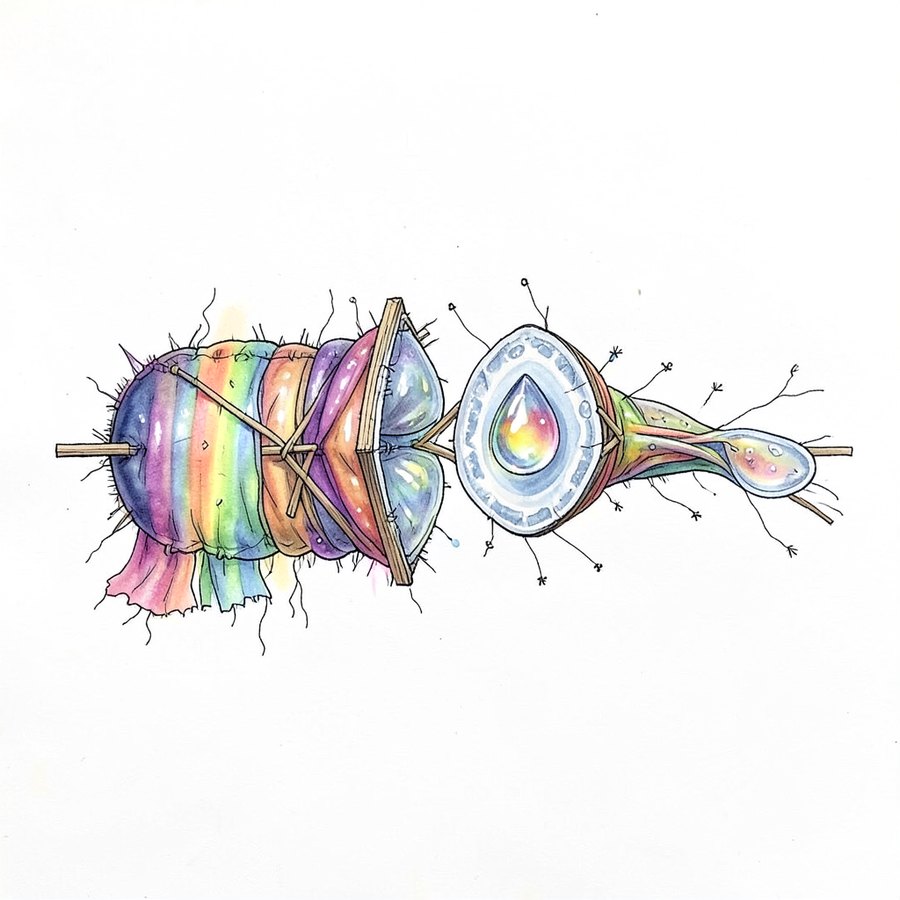
A symbol carries meaning from one thing to another by a bond its users share, so it works as a translation, and the meaning it carries grows richer with each crossing.
A thing becomes a symbol when a shared meaning crosses through it.
behavior Holds its two halves shut on what it carries, opens them to whoever brings the matching half, and gains a layer of lustre each time it is passed on.
Which object near you means more to you than it would to a stranger, and what crosses through it?
I Dissection
Each organ answers one question about the idea. The framed one, its mechanism, is the dominant organ: the being's class, the one the idea could not lose and stay itself.
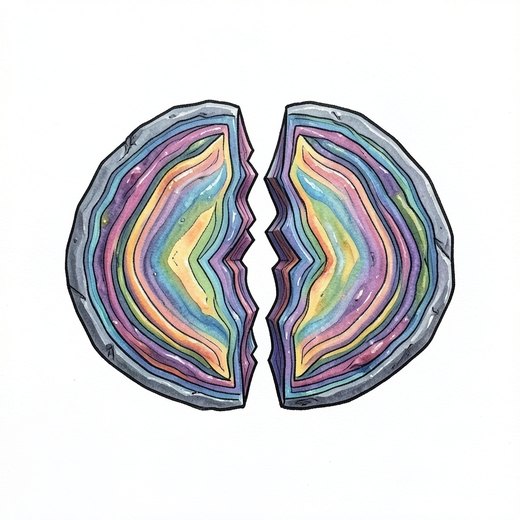
Fig. 1. Kernel
Broken token
Which premise, if it were false, would kill this idea?
One thing can stand for another by a rule its users share. The Greek symbolon was a token broken in two, and each half stood for the bond between those who held them.1, 2
drawn as: broken token · view: cross section
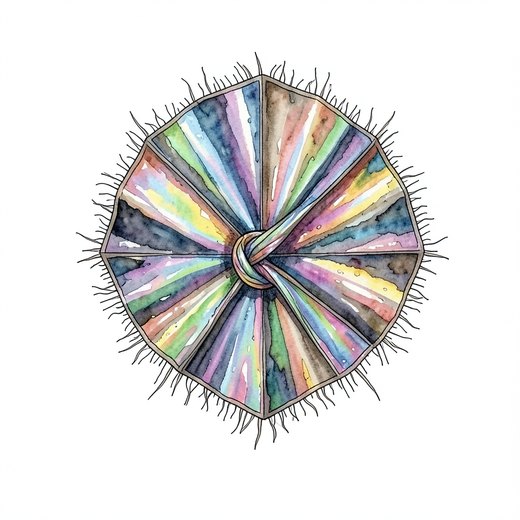
Fig. 2. Boundary
Literal sense
What sets it apart from what it is not, and how does it keep that distinction?
It is defined against the literal thing, which means itself. A dove is a bird, and it becomes peace where a shared reading makes it so.2
drawn as: literal sense · view: pressed
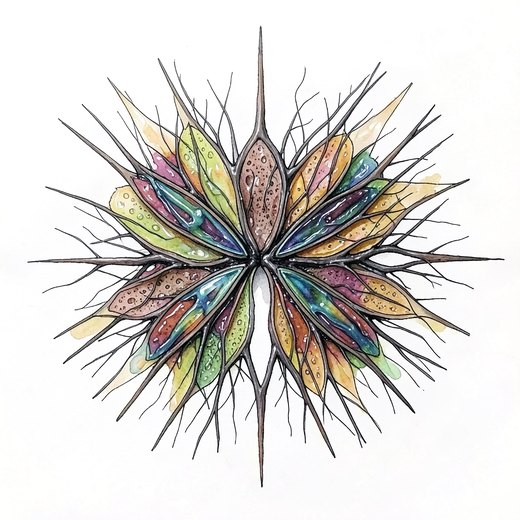
Fig. 3. Intake
Common ground
What must it feed on to work? What has to be present, noticed or supplied?
It feeds on experience held in common, birth, harvest, mourning, a war, the things a group has lived through together and can point back to.5
drawn as: common ground · view: pinned
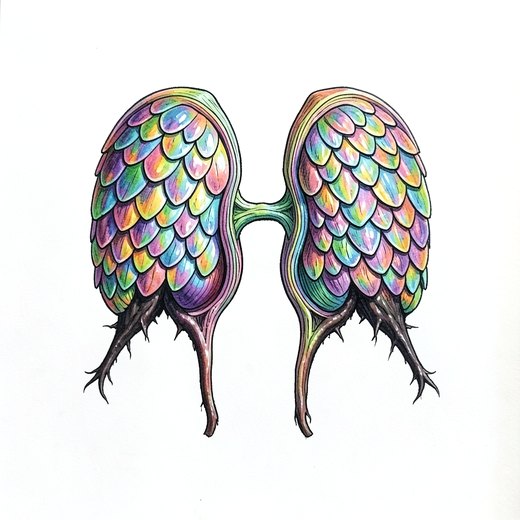
Fig. 4. Mechanism
Metaphor
❦ dominant organHow does it turn what it takes in into what it gives out?
Its work is a transfer. It carries meaning from a thing to an idea and from one mind or language to another, keeping something constant on the way, as a translation does.2
drawn as: metaphor · view: detached
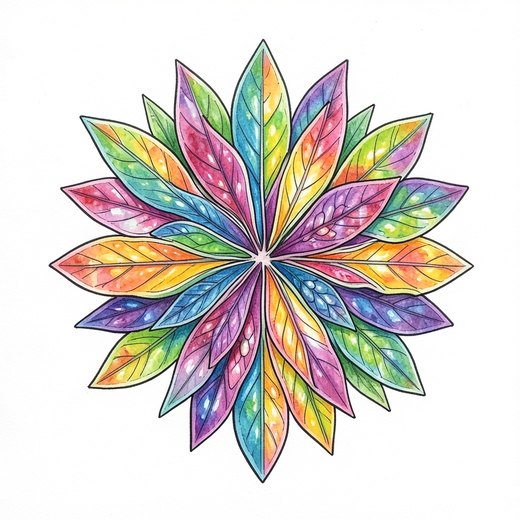
Fig. 5. Output
Surplus of meaning
What does it make possible, visible or knowable?
It gives meaning in layers. One figure gathers many senses at once, and each reading finds another, which is why, in Ricoeur's phrase, the symbol gives rise to thought.4, 5
drawn as: surplus of meaning · view: cross section
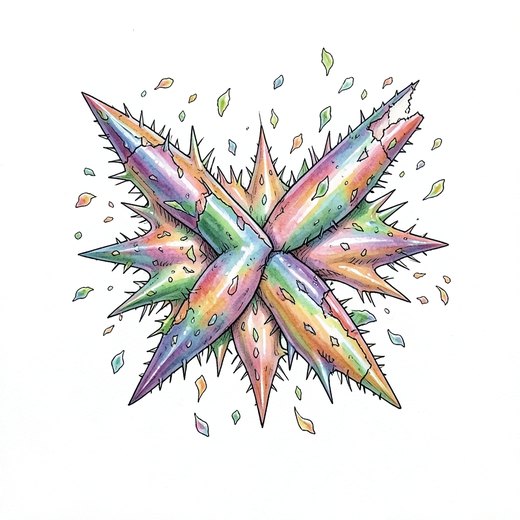
Fig. 6. Dispersal
Motif
What part of it travels into other minds, ideas and fields, and by what vector?
It travels by retelling, in stories, rites, flags and images, and it grows as it goes, since each new user adds a meaning of their own.2, 5
drawn as: motif · view: magnified
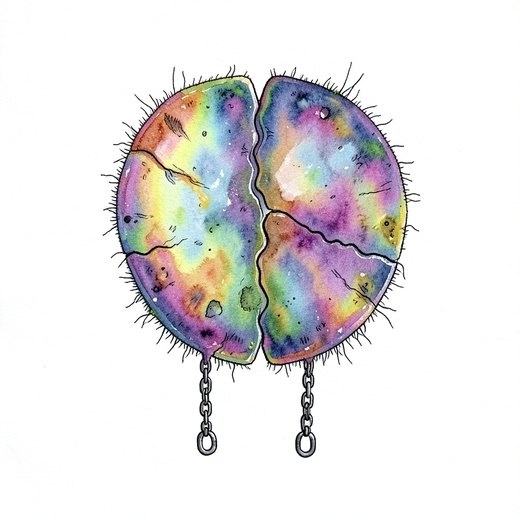
Fig. 7. Decay
Cliché
What can it not digest, where does it fail, and what does it leave behind for others?
Repeated too often it wears flat into a cliché, a figure people use while seeing nothing through it, and it leaves behind the dead metaphors of everyday speech.3
drawn as: cliché · view: pressed
II Meaning associations
No relations recorded yet.
descent membership food web resemblance or friction
Lineage
A founder, dissected by hand.
Kin
same kind in Roget Echolalia, Glossolalia, Pointillism, Syllable, Babelhum, Poetry
same kind in Wilkins Echolalia, Glossolalia, Prophecy, Syllable, Babelhum, Tongue Horizon, Poetry
same kind in WordNet Chiaroscuro, Echolalia, Glossolalia, Lullaby, Music, Prophecy, Syllable, Babelhum, Poetry
same kind in Llull Chiaroscuro, Faith, Geomancy, Innocence, Lullaby, Music, Patience, Pointillism, Ritual, Syllable, Foresilence, Tide of Days, Subtractive Phenomenology
same phylum Apophenia, Archipelago, Entanglement, Love, Mimesis, Resonance (second reading), Shared Breath, Witnessed Relief, Gazeroot (second reading)
same dominant organ Chimera, Dream, Fire, Love, Lullaby, Metamorphosis, Music, Presence, Resonance, Ritual, Storm, Winter, Rushmaker, Shared Breath, Self-Ending Order, Gazeroot (second reading), Commemorative Revision, The Swing Door, Foresilence, Simultaneous Remembering, Poetry, Subtractive Phenomenology
Genome
- convention
- transfer
- translation
- layering
- sharing
III In the world
Echoes
- the dove as peace
- a wedding ring
- a flag at half mast
- the Greek symbolon, a token broken between two friends
IV Record
How it was drawn
its draw 2, a point in the morphospace (laws §8), drawn by flux-2-klein-4b.safetensors.
| axis | value | |
|---|---|---|
| book | mycelia | |
| symmetry | fractal | |
| organization | segmented | |
| silhouette | filiform | |
| scale | hand | |
| proportion | compressed latent | |
| growth | grafted | |
| articulation | imbricate latent | |
| openness | hollow latent | |
| skeleton | exoskeleton latent | |
| locomotion | burrowing latent | |
| pattern | reticulate latent | |
| coloration | disruptive latent | |
| substance | paper | |
| surface | ribbed | |
| palette | oilslick | |
| luminosity | points | |
| transparency | layered latent | |
| gesture | emits | |
| unity | unmarked latent | |
| modality | contingent | |
| causation | unmarked latent | |
| determinacy | fraying | |
| fusion | seam | |
| anomaly | scale clash | |
| graft | scaffold | |
| technique | watercolour | |
| viewpoint | above | |
| value | flat latent | |
| balance | cantilevered | |
| density | sparse latent | |
| rhythm | regular latent | |
| saturation | accent latent | |
| appendages | bladders | |
| anchor (body) | an aurora, hanging curtains of coloured light | |
| anchor (detail) | a hailstone cut in half, concentric layers of clear and cloudy ice |
Sources
- Plato, Symposium (4th century BCE), 191d, on each of us as a symbolon, the matching half of a token
- Charles S. Peirce, Collected Papers, volume 2, Elements of Logic (1932)
- George Orwell, Politics and the English Language (1946)
- Paul Ricoeur, La symbolique du mal (1960)
- Victor Turner, The Forest of Symbols (1967)
❦