a founder of the codex
Dream
Oneirozyma nocturna·the Night Ferment
From Greek oneiros, dream, and zyme, leaven, and Latin nocturnus, of the night, for a leaven that works the day through by night.
- Level
- Conceptorganism
- Phylum
- Containerimage schema
- Class
- Mechanismits condensation
- Niche
- Producerraw experience
- Mode
- Fictionhow it keeps existing
- Stage
- Matureindividuated
- Status
- Living
- Habitat
- Body
Its kinds · Roget, 1852: Formation of Ideas · Wilkins, 1668: Natural Power · WordNet, 1990: Cognition · Llull, 1308: F · Imaginative
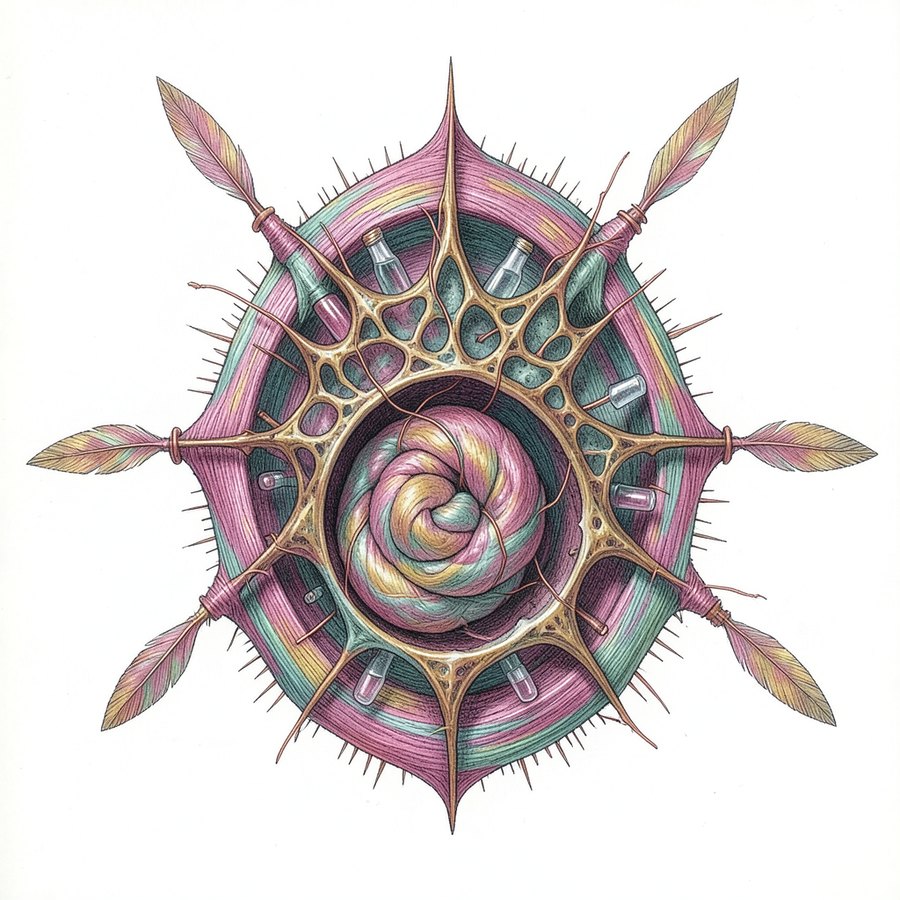
Each night the sleeping mind turns the day's residue into scenes it lives as real, digesting experience by imagining it, and most of what it makes is gone by morning.
At night the mind digests its day by turning it into scenes.
behavior Wakes when its host sleeps, feeds busily through the night, and fades the moment light reaches it.
What part of yesterday did your last dream take apart?
I Dissection
Each organ answers one question about the idea. The framed one, its mechanism, is the dominant organ: the being's class, the one the idea could not lose and stay itself.
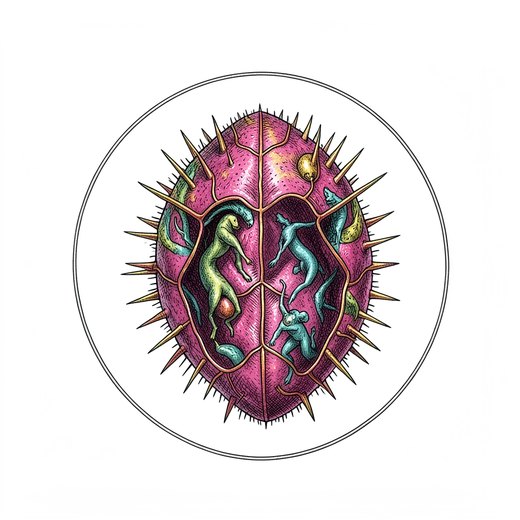
Fig. 1. Kernel
Rapid eye movement
Which premise, if it were false, would kill this idea?
The sleeping brain keeps imagining. In periods of rapid eye movement it builds whole scenes that the sleeper lives through as real.3
drawn as: rapid eye movement · view: microscope
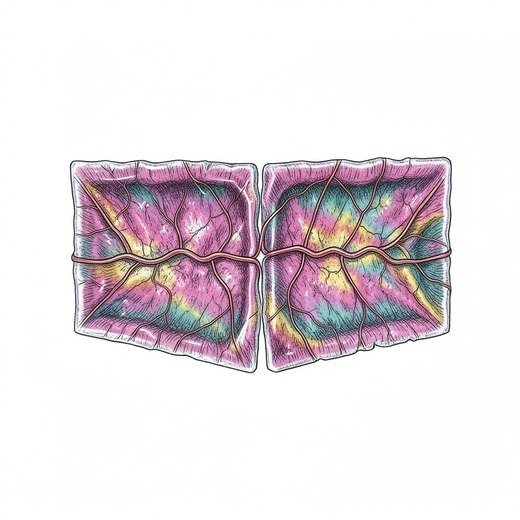
Fig. 2. Boundary
Ivory gate
What sets it apart from what it is not, and how does it keep that distinction?
It is set apart from waking thought by loosened logic, time and place. The sleeper accepts impossible events without surprise, and waking brings the rules back.4
drawn as: ivory gate · view: transparent
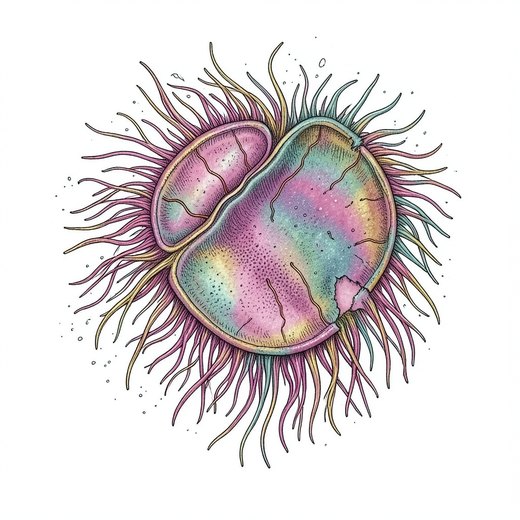
Fig. 3. Intake
Day residue
What must it feed on to work? What has to be present, noticed or supplied?
It feeds on the residue of the day, fresh impressions, unfinished concerns and things barely noticed, which sleep replays and sorts alongside older memories.2, 5
drawn as: day residue · view: in situ
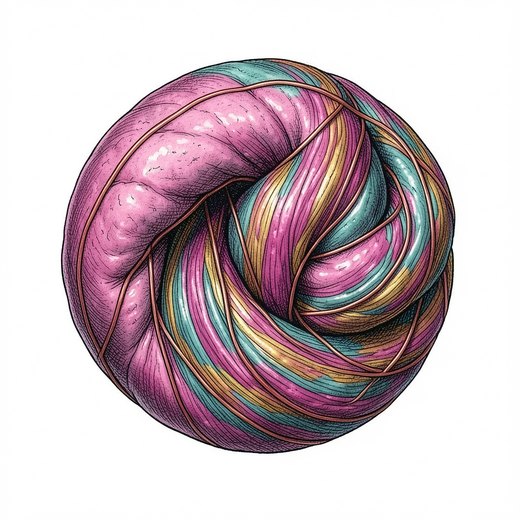
Fig. 4. Mechanism
Condensation
❦ dominant organHow does it turn what it takes in into what it gives out?
Its work links images by likeness and nearness, fuses several into one figure, and weaves the sleeping brain's own bursts of activity into a story.2, 4
drawn as: condensation · view: magnified
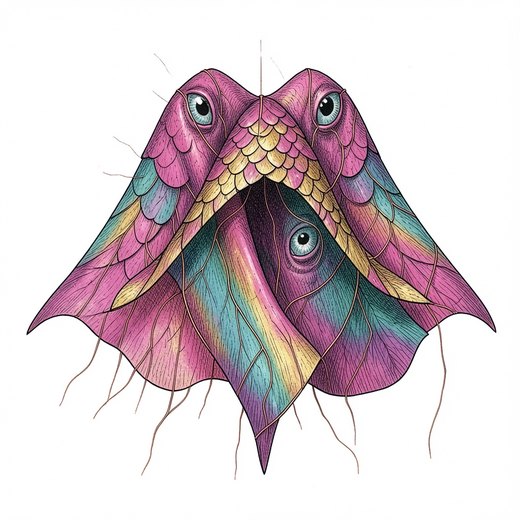
Fig. 5. Output
Manifest content
What does it make possible, visible or knowable?
It produces vivid scenes, mostly seen and strongly felt, that the sleeper lives inside. Freud read them as wishes in disguise.2
drawn as: manifest content · view: series
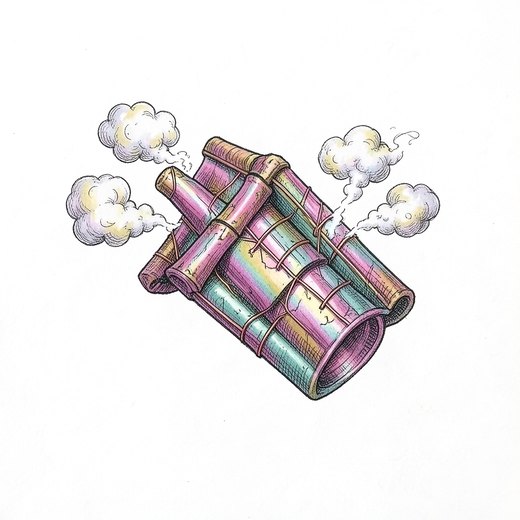
Fig. 6. Dispersal
Oneiromancy
What part of it travels into other minds, ideas and fields, and by what vector?
It travels by being told, at breakfast, in dream journals and in dream books that read each image as a sign, and its shapes pass into myths and stories.1
drawn as: oneiromancy · view: detached
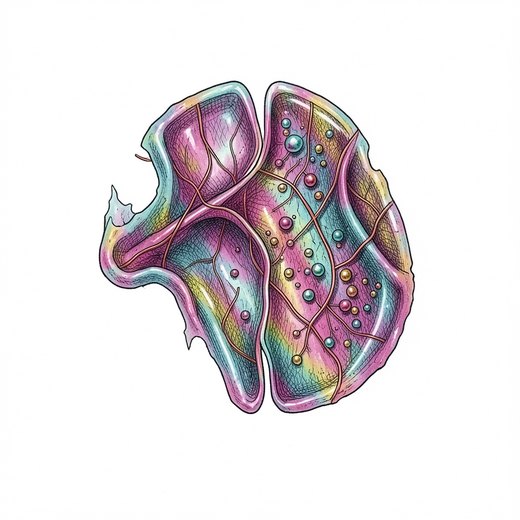
Fig. 7. Decay
Secondary revision
What can it not digest, where does it fail, and what does it leave behind for others?
Most of it is gone within minutes of waking, and the telling reshapes what is kept, so the dream known by day is a rebuilt copy of the one lived at night.2
drawn as: secondary revision · view: transparent
II Meaning associations
No relations recorded yet.
descent membership food web resemblance or friction
Lineage
A founder, dissected by hand.
Kin
same kind in Roget Apophenia, Faith, Memory, Oblivion, Placebo, Presence, Prophecy, Knowing Trust, Afterlistening, Commemorative Revision, Simultaneous Remembering, Hesychology, Subtractive Phenomenology
same kind in Wilkins Apophenia, Memory, Oblivion, Presence, Trance, Afterlistening, Simultaneous Remembering
same kind in WordNet Apophenia, Faith, Memory, Oblivion, Qualia, Silence, Volition, Afterlistening, Simultaneous Remembering, Hesychology, Subtractive Phenomenology
same kind in Llull Apophenia, Mimesis, Symmetry, Afterlistening, Poetry
same phylum Amber, Clay, Lake, Placebo, Possession, Solitude, Tinnitus, Winter, Knowing Trust, The Shared Cell
same dominant organ Chimera, Fire, Love, Lullaby, Metamorphosis, Music, Presence, Resonance, Ritual, Storm, Symbol, Winter, Rushmaker, Shared Breath, Self-Ending Order, Gazeroot (second reading), Commemorative Revision, The Swing Door, Foresilence, Simultaneous Remembering, Poetry, Subtractive Phenomenology
Genome
- sleep also in Lullaby
- imagination
- residue also in Ash, Subtractive Phenomenology
- association
- forgetting also in Memory
III In the world
Echoes
- Freud's dream of Irma's injection
- a dream told at breakfast
- the darting eyes of a sleeper in REM sleep
- Artemidorus's book of dream interpretation
IV Record
How it was drawn
its draw 4, a point in the morphospace (laws §8), drawn by flux-2-klein-4b.safetensors.
| axis | value | |
|---|---|---|
| book | volvellae | |
| symmetry | amorphous | |
| organization | segmented | |
| silhouette | star | |
| scale | immense | |
| proportion | tapering latent | |
| growth | moulting | |
| articulation | imbricate latent | |
| openness | lattice latent | |
| skeleton | test | |
| locomotion | sessile latent | |
| pattern | gradient latent | |
| coloration | warning latent | |
| substance | wire tissue | |
| surface | spined | |
| palette | bismuth | |
| luminosity | none | |
| transparency | clouded | |
| gesture | gathers | |
| unity | aggregate latent | |
| modality | unmarked latent | |
| causation | formal latent | |
| determinacy | crisp latent | |
| fusion | replaced | |
| anomaly | larger inside | |
| graft | vials | |
| technique | hatching | |
| viewpoint | below | |
| value | low key latent | |
| balance | cantilevered latent | |
| density | sparse | |
| rhythm | alternating latent | |
| saturation | accent latent | |
| appendages | valves, antennae | |
| anchor (body) | a silk cocoon, an oval case of wound threads around an insect pupa | |
| anchor (detail) | a slime mold spreading as a veined network across a surface |
Sources
- Artemidorus, Oneirocritica (2nd century CE)
- Sigmund Freud, The Interpretation of Dreams (1900)
- Eugene Aserinsky and Nathaniel Kleitman, Regularly Occurring Periods of Eye Motility, and Concomitant Phenomena, during Sleep (Science, 1953)
- J. Allan Hobson and Robert W. McCarley, The Brain as a Dream State Generator (American Journal of Psychiatry, 1977)
- Robert Stickgold, Sleep-Dependent Memory Consolidation (Nature, 2005)
❦