a founder of the codex
Cloud
Nubifacies mutabilis·the Floating Likeness
From Latin nubes, cloud, and facies, face or form, and mutabilis, changeable, a cloud whose faces change as they are seen.
- Level
- Conceptorganism
- Phylum
- Verticalityimage schema
- Class
- Boundaryits entrainment
- Niche
- Producerraw experience
- Mode
- Metamorphosishow it keeps existing
- Stage
- Matureindividuated
- Status
- Living
- Habitat
- Dream
Its kinds · Roget, 1852: Inorganic Matter · Wilkins, 1668: Element · WordNet, 1990: Object · Llull, 1308: I · Elementative
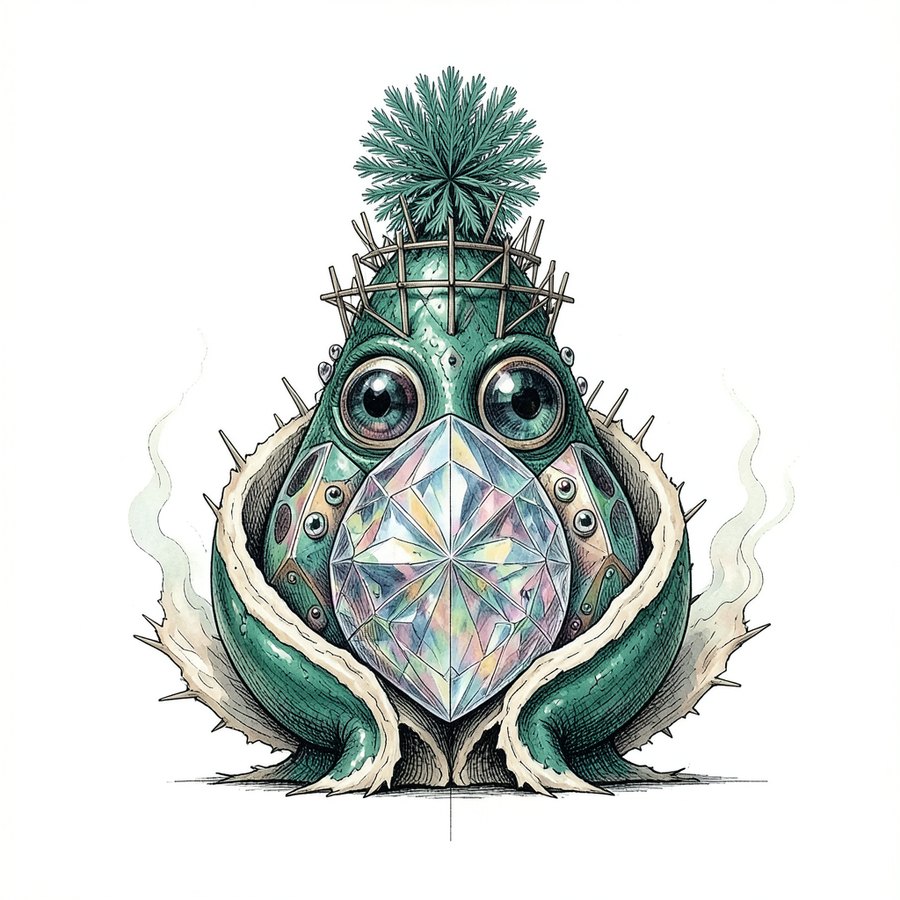
A cloud is water condensed into droplets fine enough to float, its outline remade by every wind, and its changing forms are where the mind most readily finds faces.
Water held up by air takes every shape the wind gives it, and the mind gives each shape a face.
behavior It builds out of clear air in an afternoon, changes outline minute by minute, and thins away when the air beneath it dries.
What face did you last see in a cloud, and whose was it?
I Dissection
Each organ answers one question about the idea. The framed one, its boundary, is the dominant organ: the being's class, the one the idea could not lose and stay itself.
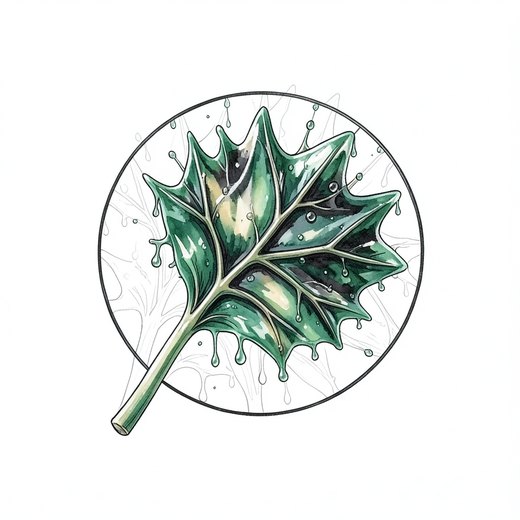
Fig. 1. Kernel
Saturation
Which premise, if it were false, would kill this idea?
Air holds only so much vapour, and when it cools past that limit the excess condenses into droplets so small that the faintest updraft keeps them aloft.2
drawn as: saturation · view: microscope
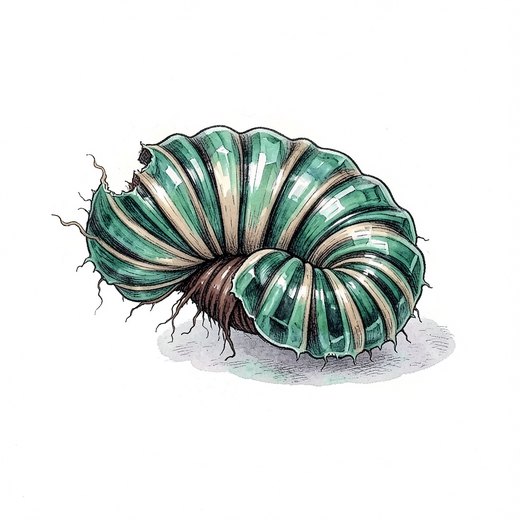
Fig. 2. Boundary
Entrainment
❦ dominant organWhat sets it apart from what it is not, and how does it keep that distinction?
Its edge is where moist air meets dry, and every wind that stirs dry air in evaporates droplets at the rim while new ones condense inside, so its outline changes minute by minute.3
drawn as: entrainment · view: at work
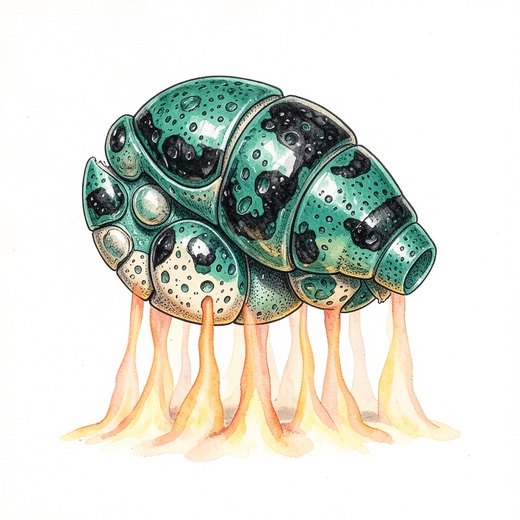
Fig. 3. Intake
Thermal
What must it feed on to work? What has to be present, noticed or supplied?
It feeds on warm moist air rising from sea and land, bubbles lifted off sun-heated ground, up mountain slopes and over cold fronts.2
drawn as: thermal · view: in situ
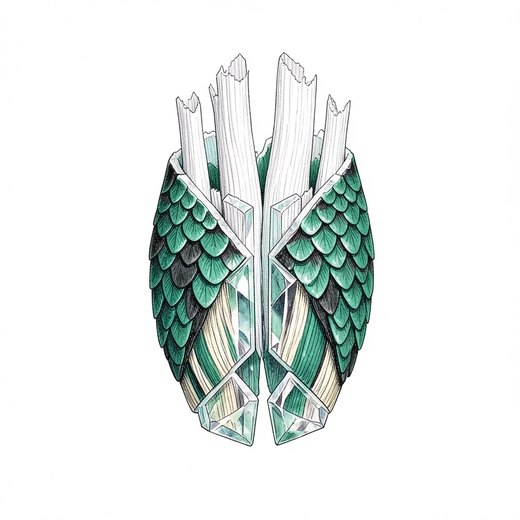
Fig. 4. Mechanism
Condensation level
How does it turn what it takes in into what it gives out?
Rising air expands and cools, and at the height where it saturates its vapour condenses, so a field of cumulus shares one flat base.2
drawn as: condensation level · view: transparent
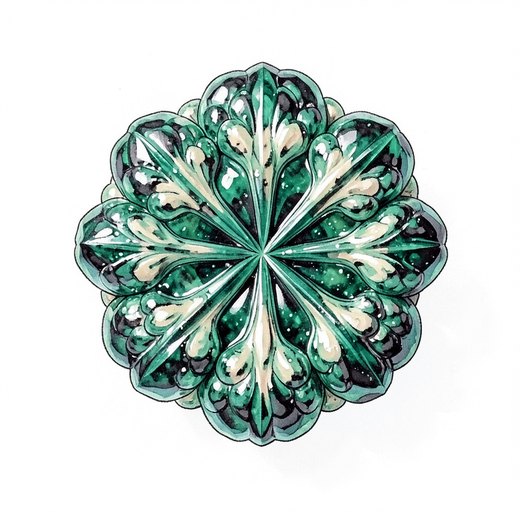
Fig. 5. Output
Cumulus
What does it make possible, visible or knowable?
Its heaped forms shade the land and change as they are watched, and the eye finds in them animals, faces and omens.1, 4
drawn as: cumulus · view: detached
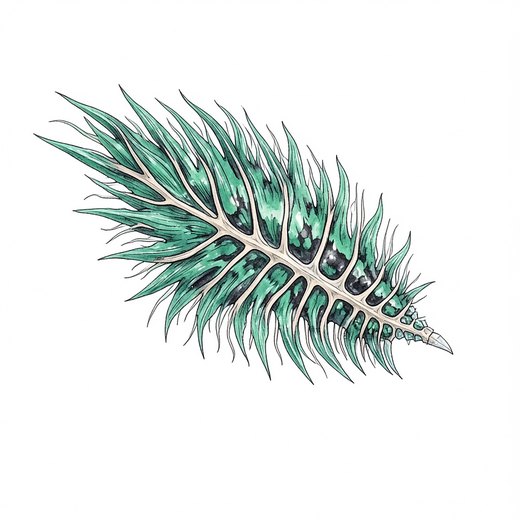
Fig. 6. Dispersal
Mares' tails
What part of it travels into other minds, ideas and fields, and by what vector?
Fast winds high up draw its ice into long hooked streaks that run ahead of a coming front, and weather lore reads them as the sign of rain within a day or two.1
drawn as: mares' tails · view: series
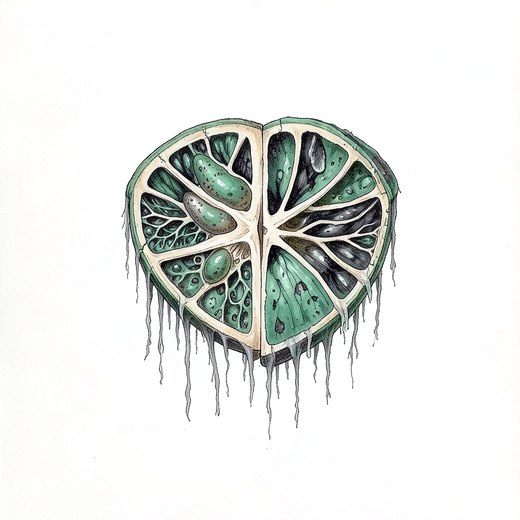
Fig. 7. Decay
Virga
What can it not digest, where does it fail, and what does it leave behind for others?
When its updraft fails or dry air wins, its droplets evaporate, and its rain hangs in grey streaks that vanish before they reach the ground.5
drawn as: virga · view: cross section
II Meaning associations
No relations recorded yet.
descent membership food web resemblance or friction
Lineage
A founder, dissected by hand.
Kin
same kind in Roget Archipelago, Ash, Clay, Diamond, Erosion, Fire, Frost, Lake, Rain, River, Salt, Sand, Storm, Wind
same kind in Wilkins Fire, Frost, Lake, Rain, River, Storm, Wind
same kind in WordNet Archipelago, Lake, River
same kind in Llull Amber, Archipelago, Ash, Clay, Diamond, Emergence, Entanglement, Entropy, Erosion, Fire, Frost, Iridescence, Lake, Petrification, Rain, Reflection, Resonance, Resonance (second reading), River, Salt, Sand, Storm, Weightlessness, Wind, Winter, Self-Ending Order
same phylum Awakening, Erosion, Faith, Innocence, Miracle, Rain, Vertigo, Weightlessness
same dominant organ Amber, Aura, Diamond, Equinox, Frost, Possession, Reflection, Solitude, Threshold, Tongue Horizon, The Shared Cell
Genome
- vapour also in Frost
- suspension
- shape
- omen also in Prophecy, Rain
- drift also in Sand, Simultaneous Remembering, Tongue Horizon
III In the world
Echoes
- a cumulus over summer fields
- the cloud Hamlet sees as a camel, a weasel and a whale
- mares' tails before a storm
- fog filling a valley at dawn
IV Record
How it was drawn
its draw 5, a point in the morphospace (laws §8), drawn by flux-2-klein-4b.safetensors.
| axis | value | |
|---|---|---|
| book | volvellae | |
| symmetry | radial 5 | |
| organization | nested | |
| silhouette | sac | |
| scale | immense | |
| proportion | compressed latent | |
| growth | faceted | |
| articulation | jointed latent | |
| openness | lattice latent | |
| skeleton | endoskeleton latent | |
| locomotion | walking latent | |
| pattern | gradient latent | |
| coloration | disruptive latent | |
| substance | crystal | |
| surface | iridescent | |
| palette | malachite | |
| luminosity | none | |
| transparency | layered latent | |
| gesture | hardens | |
| unity | composite latent | |
| modality | unmarked latent | |
| causation | final | |
| determinacy | crisp | |
| fusion | replaced | |
| anomaly | scale clash | |
| graft | scaffold | |
| technique | stipple | |
| viewpoint | below | |
| value | flat latent | |
| balance | grounded latent | |
| density | graded detail | |
| rhythm | unmarked latent | |
| saturation | accent latent | |
| appendages | ocelli | |
| anchor (body) | a termite mound cut open to show its ventilation shafts | |
| anchor (detail) | a diffusion-limited aggregate, a feathery fractal cluster |
Sources
- Luke Howard, On the Modifications of Clouds (1803)
- B. J. Mason, The Physics of Clouds (1957)
- Henry Stommel, Entrainment of Air into a Cumulus Cloud (Journal of Meteorology, 1947)
- Aristophanes, The Clouds (423 BCE)
- World Meteorological Organization, International Cloud Atlas (1956)
❦