a founder of the codex
Miracle
Thaumatia signifera·the Breaking Sign
From Greek thauma, a wonder, and Latin signifer, bearing a sign, a wonder that is read as a sign.
- Level
- Conceptorganism
- Phylum
- Verticalityimage schema
- Class
- Dispersalits word of mouth
- Niche
- Extremophileabsence
- Mode
- Referencehow it keeps existing
- Stage
- Matureindividuated
- Status
- Living
- Habitat
- Ritual
Its kinds · Roget, 1852: Religious Affections · Wilkins, 1668: God · WordNet, 1990: Event · Llull, 1308: B · God
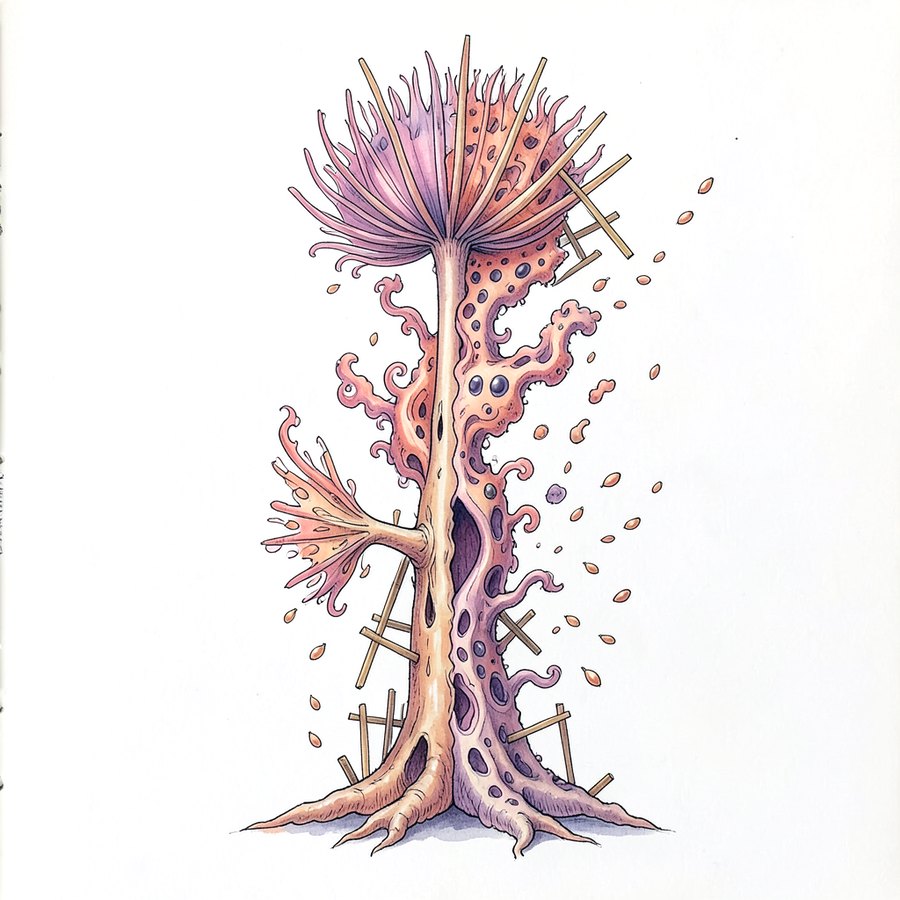
An event that seems to break the order of nature is read as a sign of a power beyond it, and it lives on through the witnesses who tell it.
An event that breaks the expected order is read as a message from beyond it.
behavior It appears rarely and all at once, then multiplies in every telling, growing larger the farther it travels.
Which event in your life do you keep unexplained, and what would you lose by explaining it?
I Dissection
Each organ answers one question about the idea. The framed one, its dispersal, is the dominant organ: the being's class, the one the idea could not lose and stay itself.
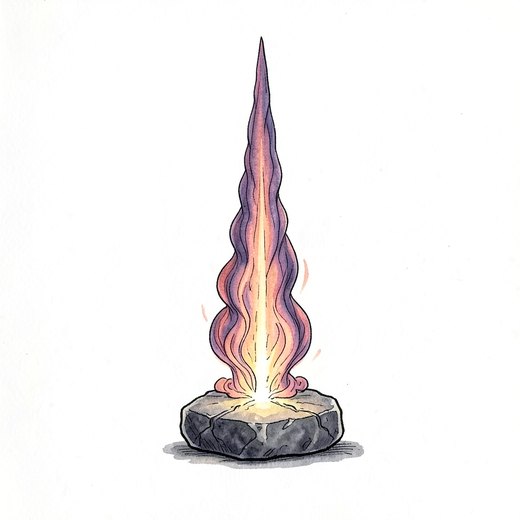
Fig. 1. Kernel
Finger of God
Which premise, if it were false, would kill this idea?
An event can break the usual order of nature, and such a break is read as the act of a power beyond nature showing itself.1, 2
drawn as: finger of God · view: detached
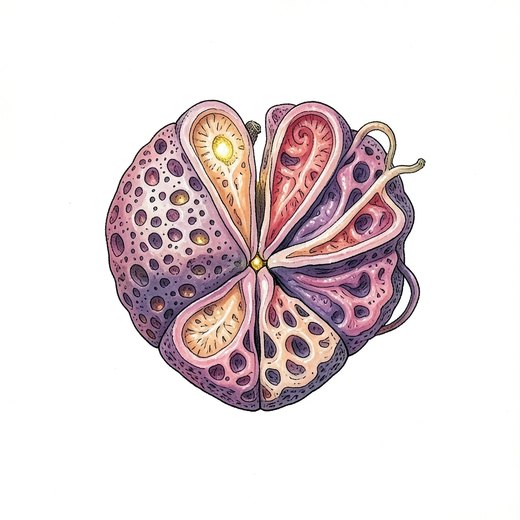
Fig. 2. Boundary
Devil's advocate
What sets it apart from what it is not, and how does it keep that distinction?
It is set apart from a rare or lucky event by a judgement that only a power beyond nature could produce it. At Lourdes and in the making of saints, physicians and a devil's advocate test each claim, and few pass.5, 1
drawn as: devil's advocate · view: pinned
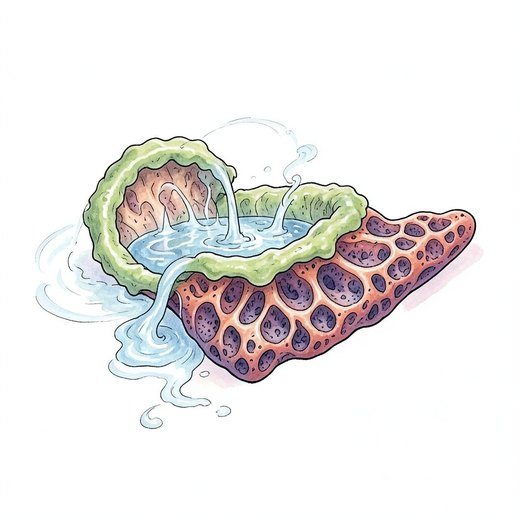
Fig. 3. Intake
Healing spring
What must it feed on to work? What has to be present, noticed or supplied?
It feeds on suffering and prayer, on crowds who come in hope to shrines and springs, and on events whose causes are still unknown.5, 3
drawn as: healing spring · view: at work
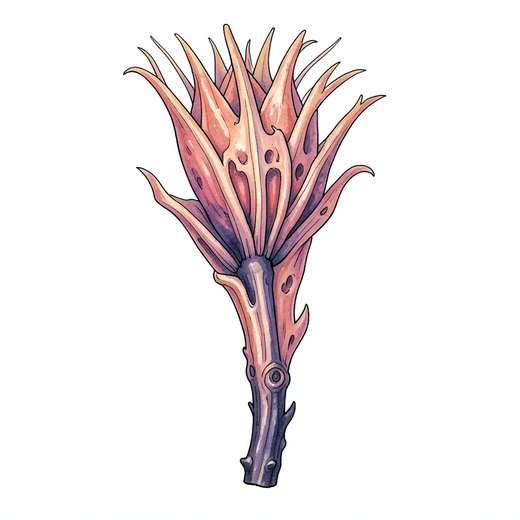
Fig. 4. Mechanism
Relic
How does it turn what it takes in into what it gives out?
In the classic healing, a relic, a touch or water from a holy place is followed by a cure, and those present read the sequence as the act of a power beyond nature.3, 5
drawn as: relic · view: cast
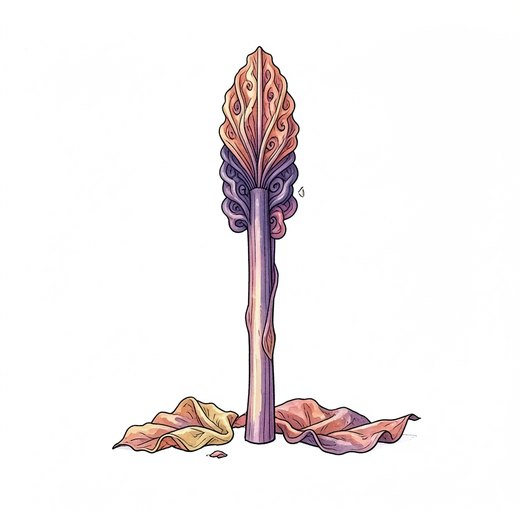
Fig. 5. Output
Abandoned crutches
What does it make possible, visible or knowable?
It makes the power it is credited to visible as a sign. It draws converts and pilgrims, makes saints, and leaves the crutches of the cured hanging in the grotto at Lourdes.5
drawn as: abandoned crutches · view: pressed
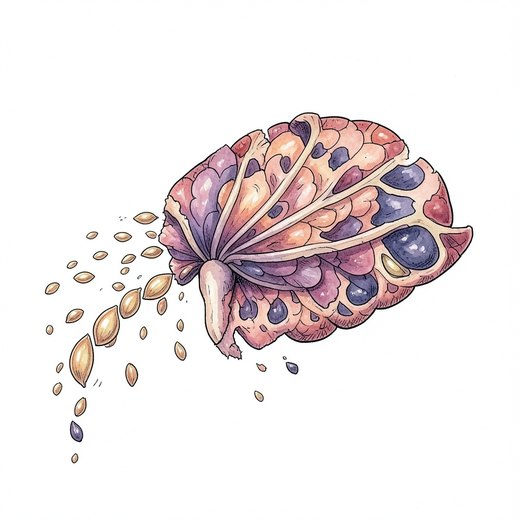
Fig. 6. Dispersal
Word of mouth
❦ dominant organWhat part of it travels into other minds, ideas and fields, and by what vector?
It travels by testimony, from witness to hearer to book, in lives of saints and collections of wonders, and each telling tends to enlarge it.1
drawn as: word of mouth · view: in situ
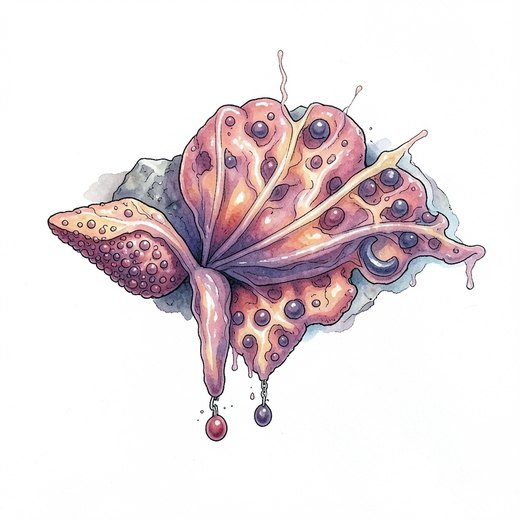
Fig. 7. Decay
Asylum of ignorance
What can it not digest, where does it fail, and what does it leave behind for others?
Each natural cause found shrinks its ground, and Spinoza called the appeal to God's will for what is unexplained the asylum of ignorance. Exposed fraud leaves it a byword for credulity.4
drawn as: asylum of ignorance · view: series
II Meaning associations
No relations recorded yet.
descent membership food web resemblance or friction
Lineage
A founder, dissected by hand.
Kin
same kind in Roget Geomancy, Possession, Ritual, Trance
same kind in Llull Eternity
same phylum Awakening, Cloud, Erosion, Faith, Innocence, Rain, Vertigo, Weightlessness
same dominant organ Ash, Breath, Pointillism, River, Sand, Wind, Witnessed Relief
Genome
- wonder also in Innocence
- sign
- testimony also in Witnessed Relief
- rupture
- healing also in Placebo
III In the world
Echoes
- the crutches hung in the grotto at Lourdes
- the parting of the Red Sea
- water turned to wine at Cana
- the miracles counted toward a saint's canonization
IV Record
How it was drawn
its draw 2, a point in the morphospace (laws §8), drawn by flux-2-klein-4b.safetensors.
| axis | value | |
|---|---|---|
| book | uranographia | |
| symmetry | fractal | |
| organization | nested | |
| silhouette | tree | |
| scale | hand | |
| proportion | graded | |
| growth | regenerated | |
| articulation | sutured latent | |
| openness | lattice latent | |
| skeleton | woody latent | |
| locomotion | drifting latent | |
| pattern | reticulate latent | |
| coloration | countershaded latent | |
| substance | smoke | |
| surface | perforated | |
| palette | dusk | |
| luminosity | none | |
| transparency | clouded latent | |
| gesture | bursts | |
| unity | integral latent | |
| modality | contingent latent | |
| causation | final latent | |
| determinacy | dissolving latent | |
| fusion | seam | |
| anomaly | inverted | |
| graft | scaffold | |
| technique | watercolour | |
| viewpoint | below | |
| value | high key latent | |
| balance | top heavy latent | |
| density | graded detail | |
| rhythm | clustered latent | |
| saturation | vivid | |
| appendages | tendrils, valves | |
| anchor (body) | a sea lily, a cup of feathery arms on a long jointed stalk | |
| anchor (detail) | a reaction-diffusion pattern of spots and labyrinthine stripes |
Sources
- David Hume, An Enquiry Concerning Human Understanding (1748), section 10, Of Miracles
- Exodus 8:19
- Augustine, The City of God (c. 426), book 22, chapter 8
- Baruch Spinoza, Ethics (1677), part 1, appendix
- Ruth Harris, Lourdes: Body and Spirit in the Secular Age (1999)
❦