a founder of the codex
Spring
Vernaria erumpens·the Sudden Green
From Latin ver, spring, and erumpens, bursting out, the season when life stored through the cold breaks out all at once.
- Level
- Conceptorganism
- Phylum
- Forceimage schema
- Class
- Outputits full bloom
- Niche
- Producerraw experience
- Mode
- Reproductionhow it keeps existing
- Stage
- Juvenileindividuating
- Status
- Living
- Habitat
- Forest
Its kinds · Roget, 1852: Time · Wilkins, 1668: Space · WordNet, 1990: Time · Llull, 1308: H · Vegetative
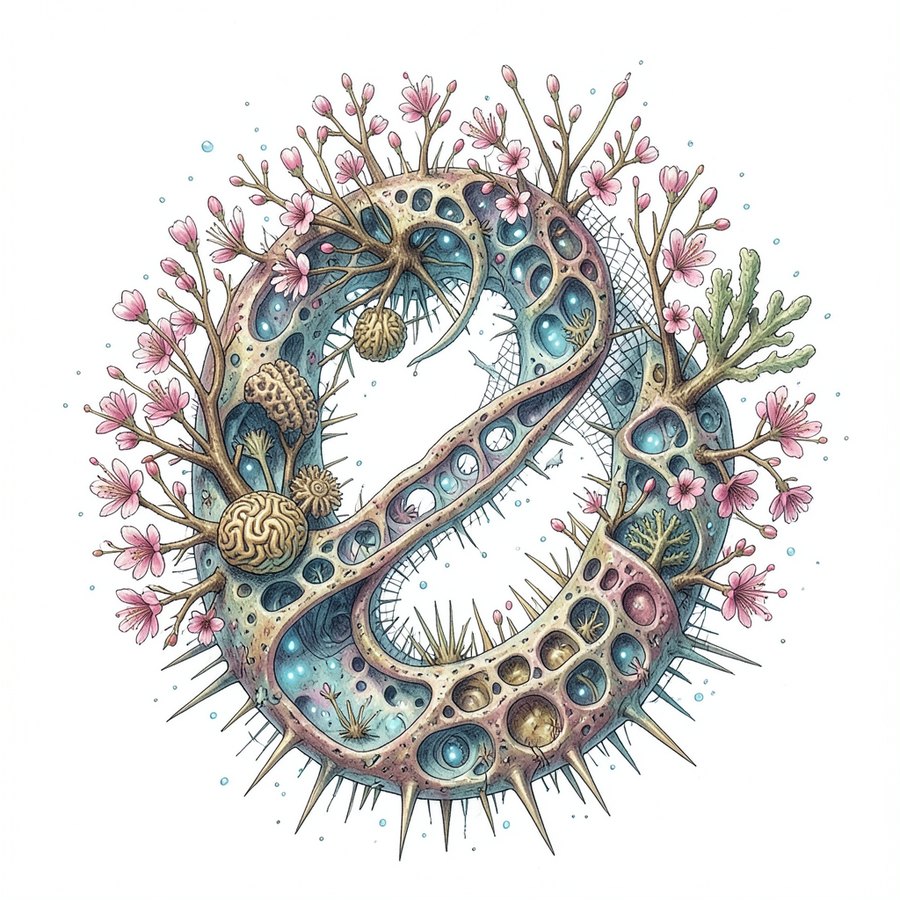
Spring is the season when life stored through the cold breaks open all at once, set off by lengthening days and returning warmth, and it spends in weeks what was saved for months.
Life saved through the hard season is spent all at once when the signal comes.
behavior It arrives from the south as a moving edge of green, opens everything at once, and is spent before anyone has finished looking.
What have you kept folded inside you, waiting for the days to lengthen?
I Dissection
Each organ answers one question about the idea. The framed one, its output, is the dominant organ: the being's class, the one the idea could not lose and stay itself.
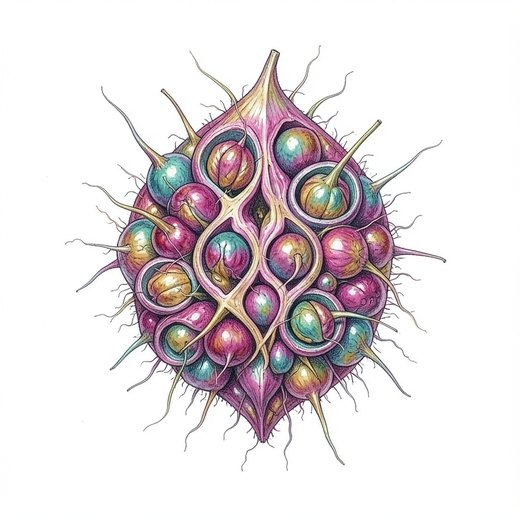
Fig. 1. Kernel
Seed bank
Which premise, if it were false, would kill this idea?
Spring rests on stored life, the seeds, bulbs and buds made before the cold, which already hold the next growth folded inside them.3
drawn as: seed bank · view: pinned
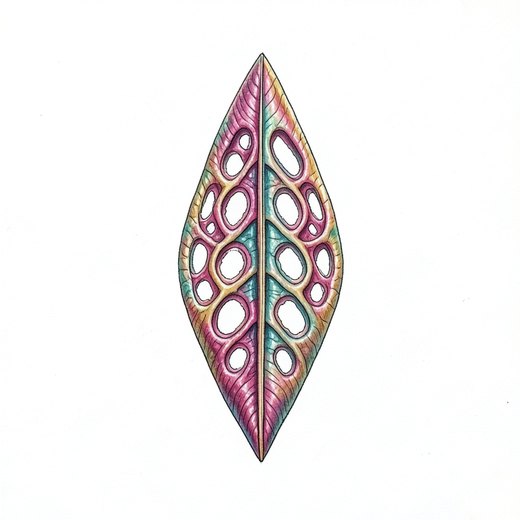
Fig. 2. Boundary
Photoperiod
What sets it apart from what it is not, and how does it keep that distinction?
It is held back by day length as well as warmth, since many trees and birds wait until the days pass a set length, and a midwinter thaw leaves them shut.2
drawn as: photoperiod · view: pressed
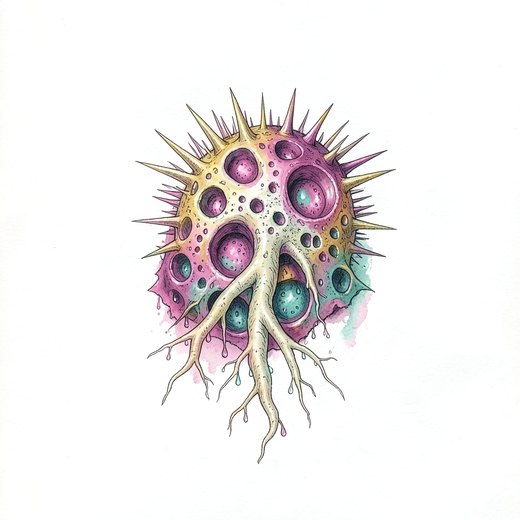
Fig. 3. Intake
Rising sap
What must it feed on to work? What has to be present, noticed or supplied?
It feeds on lengthening light and on stores laid down before the cold, sugar rising as sap in maples while snow still lies.2
drawn as: rising sap · view: in situ
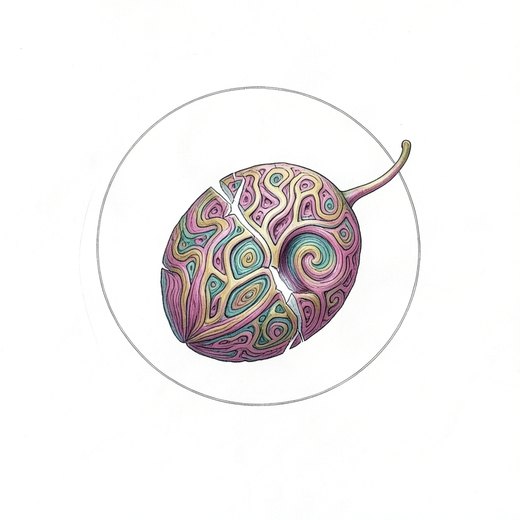
Fig. 4. Mechanism
Bud break
How does it turn what it takes in into what it gives out?
When enough warmth follows enough chill, buds and seeds take up water and swell, and the leaves and shoots formed the year before push out within days.3
drawn as: bud break · view: microscope
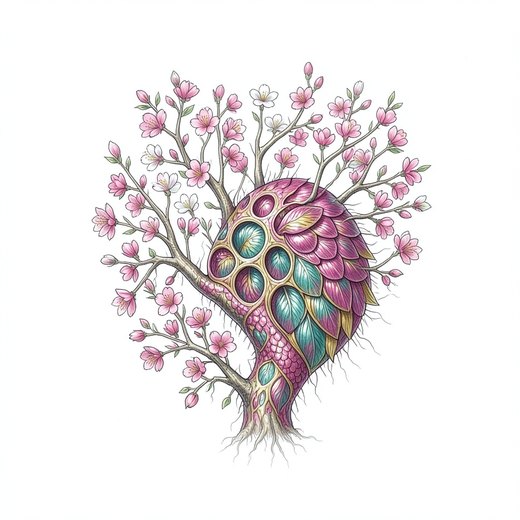
Fig. 5. Output
Full bloom
❦ dominant organWhat does it make possible, visible or knowable?
Within weeks it clothes bare branches in leaves and flowers, opens the blossom that stands between the tree and its fruit, and fills nests with young.1
drawn as: full bloom · view: at work
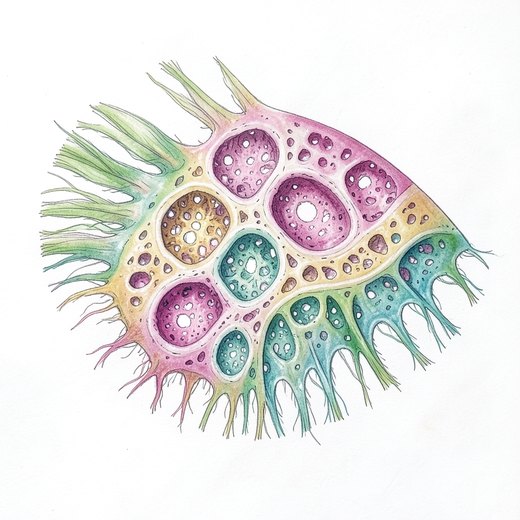
Fig. 6. Dispersal
Green wave
What part of it travels into other minds, ideas and fields, and by what vector?
It moves north across a continent each year as a green wave that geese and other migrants follow, and a skein of returning geese has long been read as its sign.4
drawn as: green wave · view: magnified
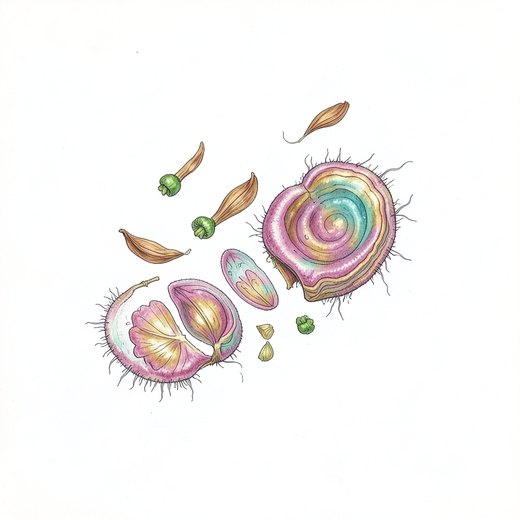
Fig. 7. Decay
Petal fall
What can it not digest, where does it fail, and what does it leave behind for others?
It spends itself in weeks and ends at petal fall, leaving small set fruit for summer to ripen, and Carson warned that poisons could bring a spring without birdsong.5
drawn as: petal fall · view: exploded
II Meaning associations
No relations recorded yet.
descent membership food web resemblance or friction
Lineage
A founder, dissected by hand.
Kin
same kind in Roget Equinox, Eternity, Winter, Foresilence, Tide of Days
same kind in Wilkins Equinox, Eternity, Winter, Foresilence, Tide of Days
same kind in WordNet Equinox, Eternity, Winter, Foresilence, Tide of Days
same kind in Llull Breath, Entelechy, Metamorphosis
same phylum Diamond, Fear, Fire, Glossolalia, Oblivion, Storm, Volition, Rushmaker, Self-Ending Order
same dominant organ Apophenia, Awakening, Chiaroscuro, Echolalia, Emergence, Erosion, Glossolalia, Iridescence, Mimesis, Nostalgia, Placebo, Rain, Babelhum, Afterlistening, Tide of Days
Genome
- release also in Glossolalia, Oblivion, Storm, Weightlessness
- storage also in Winter
- synchrony also in Shared Breath
- growth also in Entelechy
- renewal also in Ash, Fire, Oblivion
III In the world
Echoes
- cherry trees in full bloom
- geese returning in a March thaw
- a maypole dance
- Stravinsky's The Rite of Spring
IV Record
How it was drawn
its draw 3, a point in the morphospace (laws §8), drawn by flux-2-klein-4b.safetensors.
| axis | value | |
|---|---|---|
| book | pathemata | |
| symmetry | radial 8 | |
| organization | chained | |
| silhouette | ribbon | |
| scale | immense | |
| proportion | graded latent | |
| growth | gnomonic | |
| articulation | seamless latent | |
| openness | lattice | |
| skeleton | endoskeleton latent | |
| locomotion | walking latent | |
| pattern | plain latent | |
| coloration | warning latent | |
| substance | calcite | |
| surface | perforated | |
| palette | bismuth | |
| luminosity | points | |
| transparency | clouded latent | |
| gesture | pulses | |
| unity | composite latent | |
| modality | contingent | |
| causation | formal latent | |
| determinacy | unmarked latent | |
| fusion | sprouting | |
| anomaly | none | |
| graft | nets | |
| technique | silverpoint | |
| viewpoint | cutaway | |
| value | chiaroscuro | |
| balance | cantilevered latent | |
| density | unmarked latent | |
| rhythm | regular latent | |
| saturation | unmarked latent | |
| appendages | spines | |
| anchor (body) | sea sparkle, plankton flashing blue wherever the water is disturbed | |
| anchor (detail) | a brain coral, a dome covered in meandering ridges |
Sources
- Robert Marsham, Indications of Spring (Philosophical Transactions of the Royal Society, 1789)
- W. W. Garner and H. A. Allard, Effect of the Relative Length of Day and Night and Other Factors of the Environment on Growth and Reproduction in Plants (Journal of Agricultural Research, 1920)
- Carol C. Baskin and Jerry M. Baskin, Seeds: Ecology, Biogeography, and Evolution of Dormancy and Germination (1998)
- Aldo Leopold, A Sand County Almanac (1949)
- Rachel Carson, Silent Spring (1962)
❦